CASE_01UpHire · Outbound
Signal-based outbound: 90-day job changers
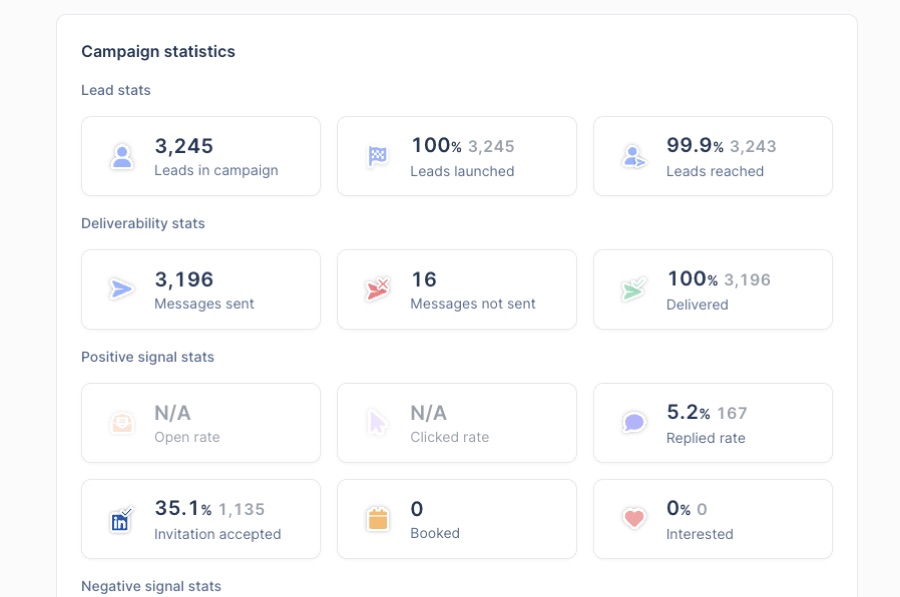
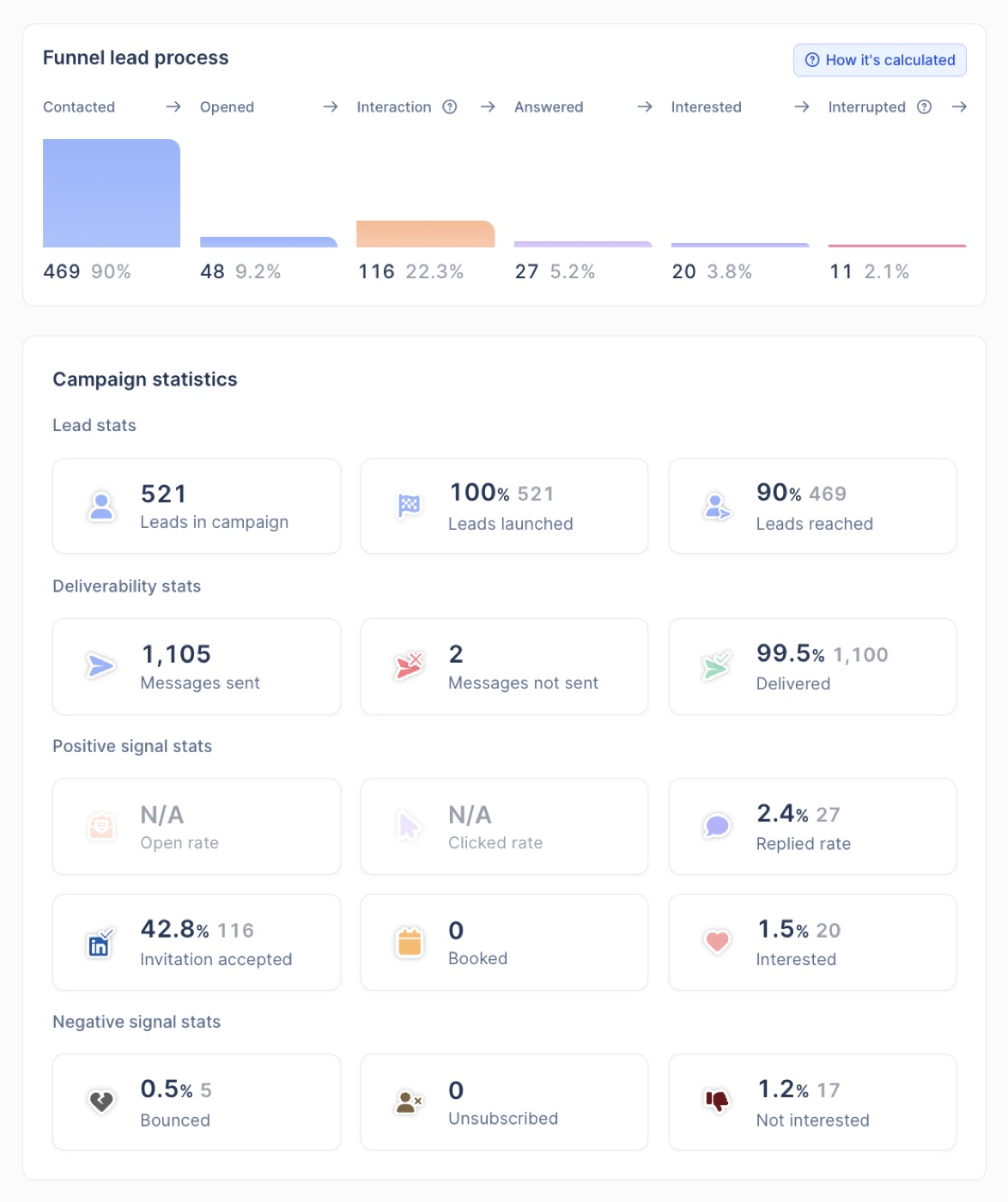
521
Leads
99.5%
Delivered
42.8%
LinkedIn accept
5.2%
Answered
2 clients
Closed within about a month
Idea
Target sales leaders (VP Sales, CRO, Head of Sales) who started at a SaaS company in the last 90 days. New leaders rebuild or grow their team in the first two quarters, so the timing does most of the work.
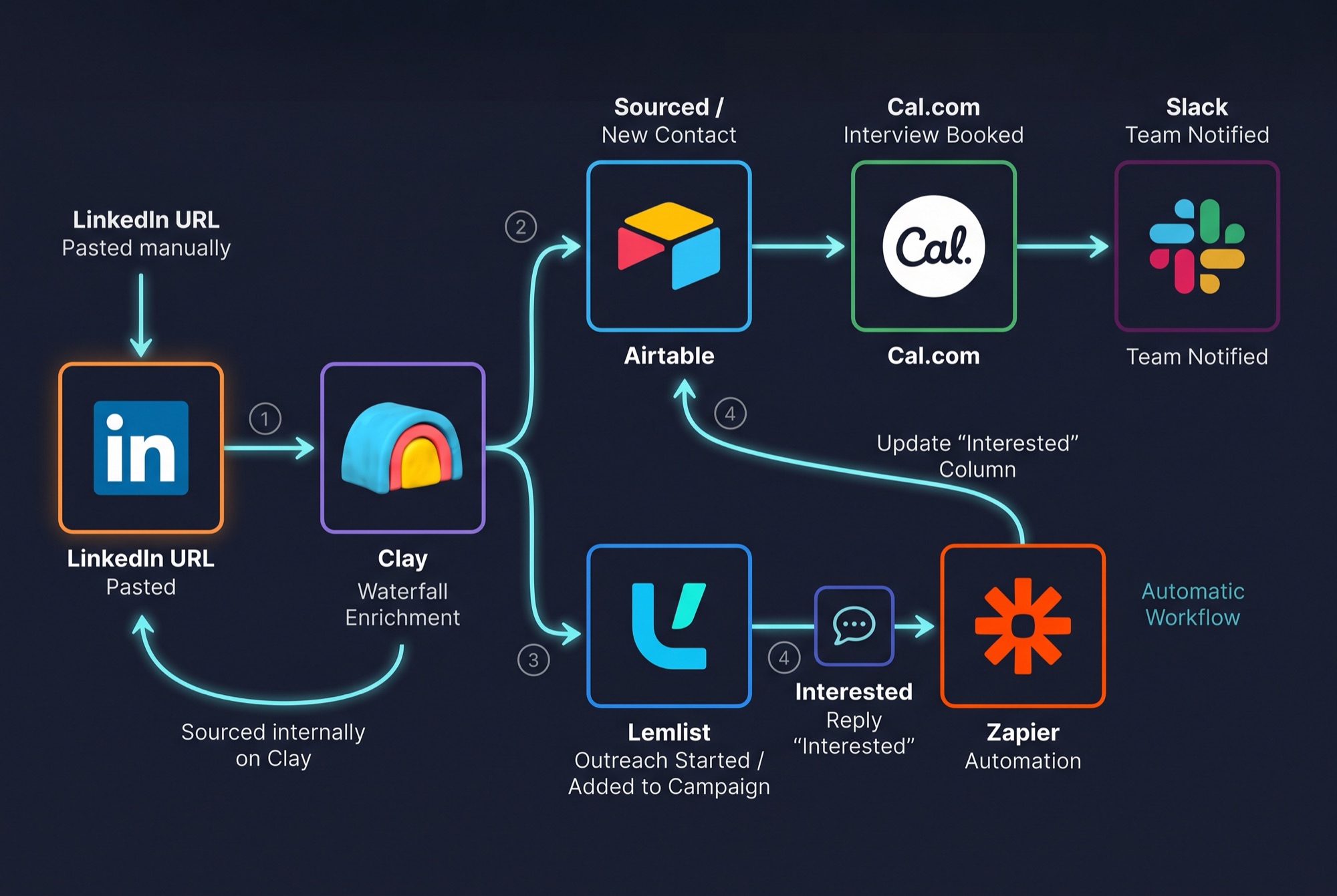
Build
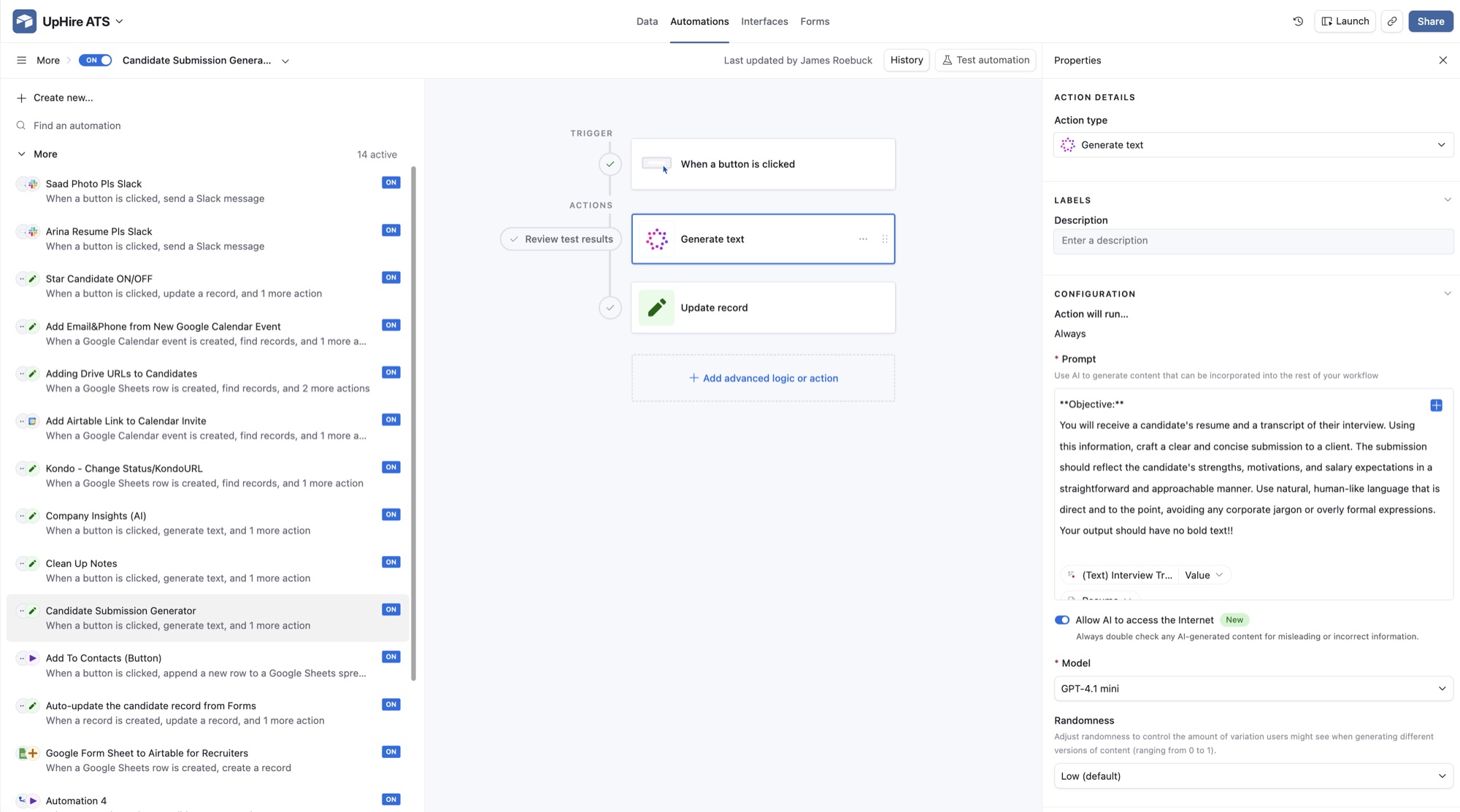
- Clay table 1, companies: filtered by city, size and industry (SaaS) into a clean shortlist before touching people.
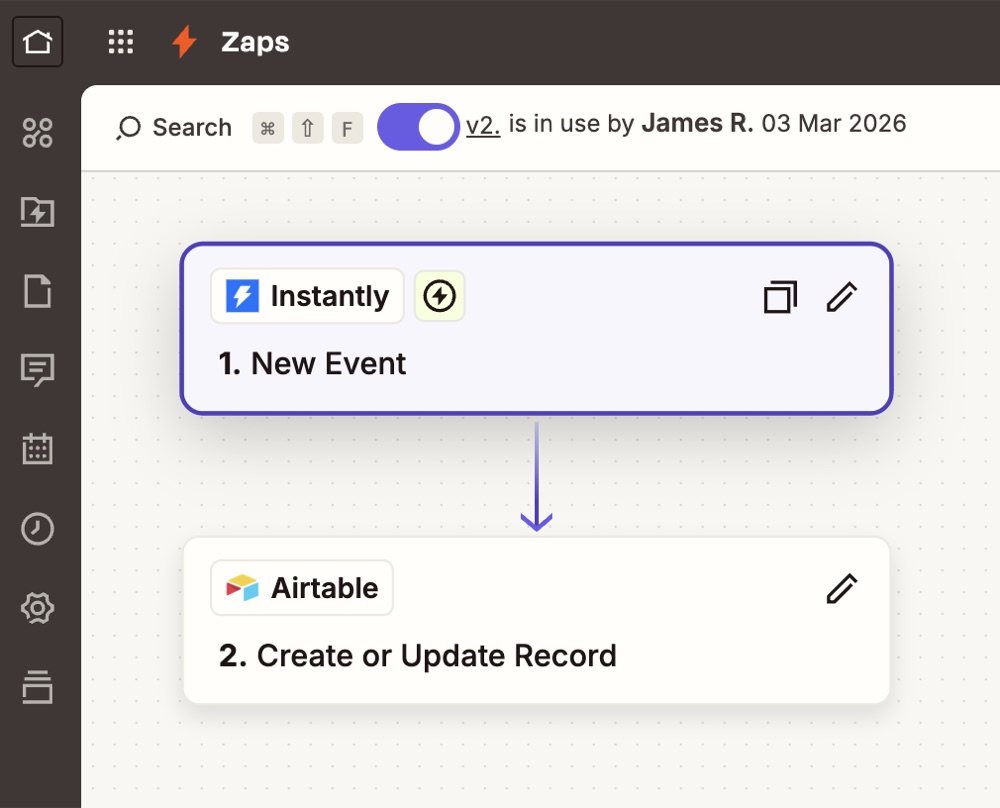
- Clay table 2, people: enriched LinkedIn profiles, used a formula to confirm a recent job change, then AI columns to verify buyer fit.
- Further AI checks removed companies already contacted, anything on the DNC list, and staffing firms.
- Formulas to clean names and normalise messy titles and company names. Waterfall enrichment for verified email, plus a message preview for every row.
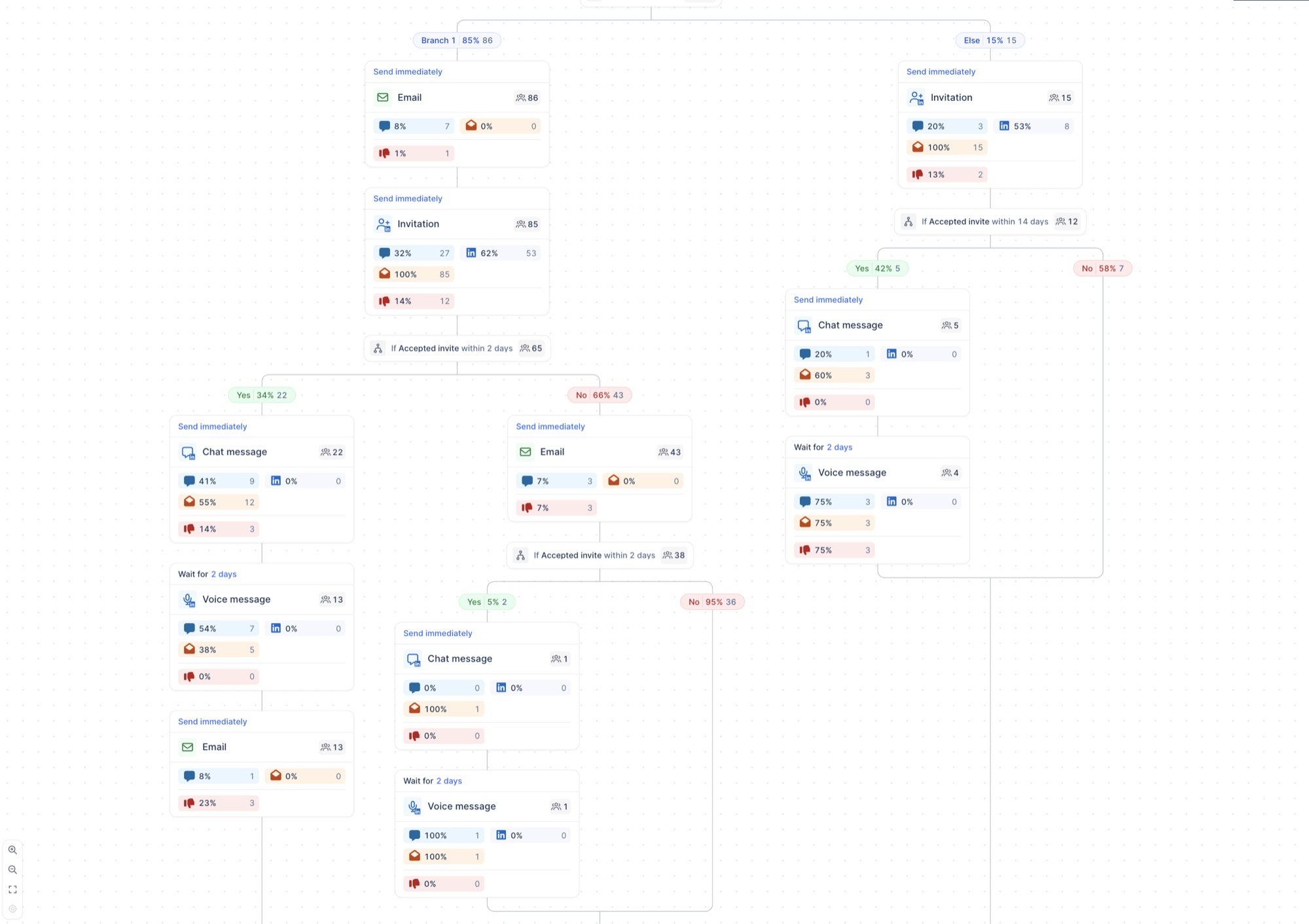
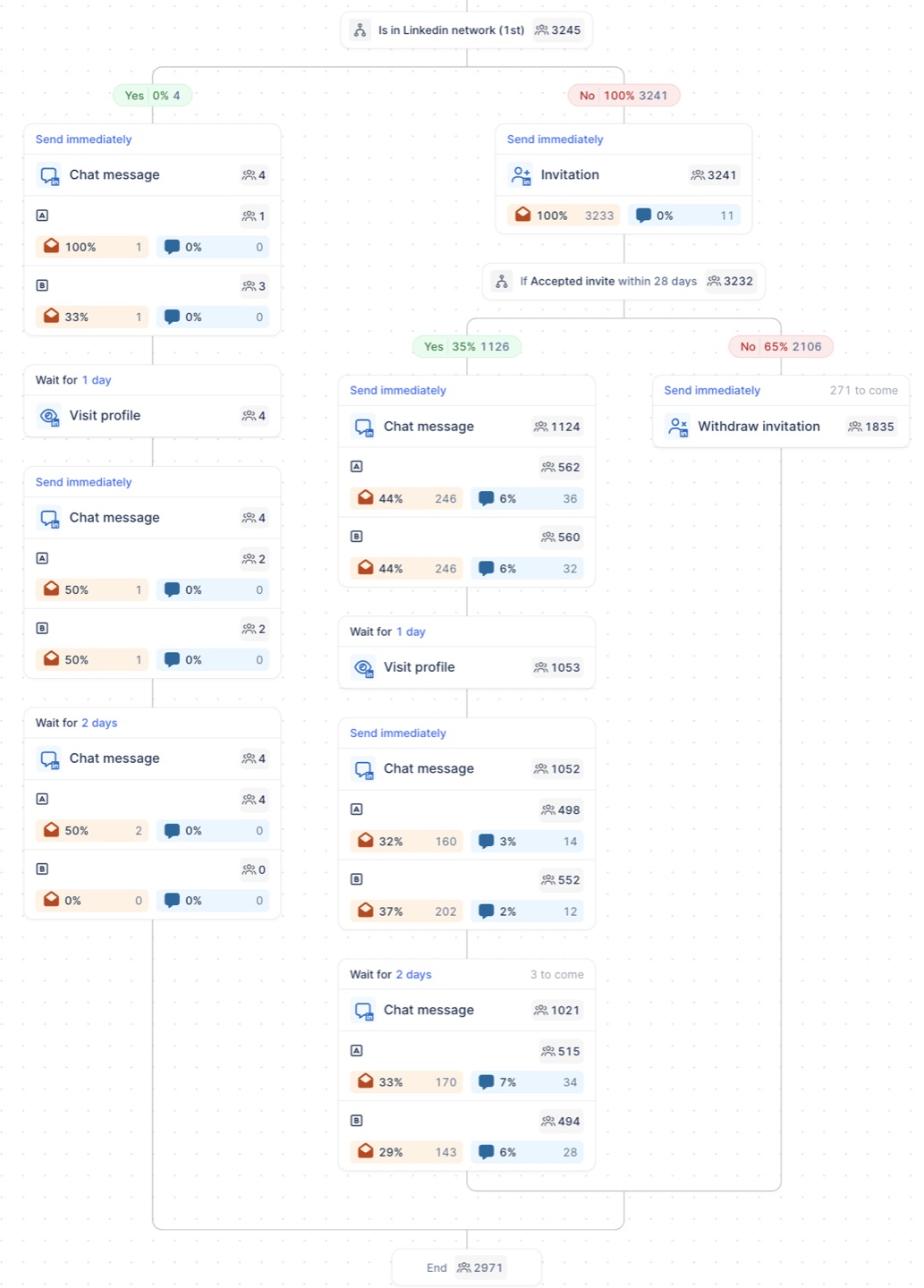
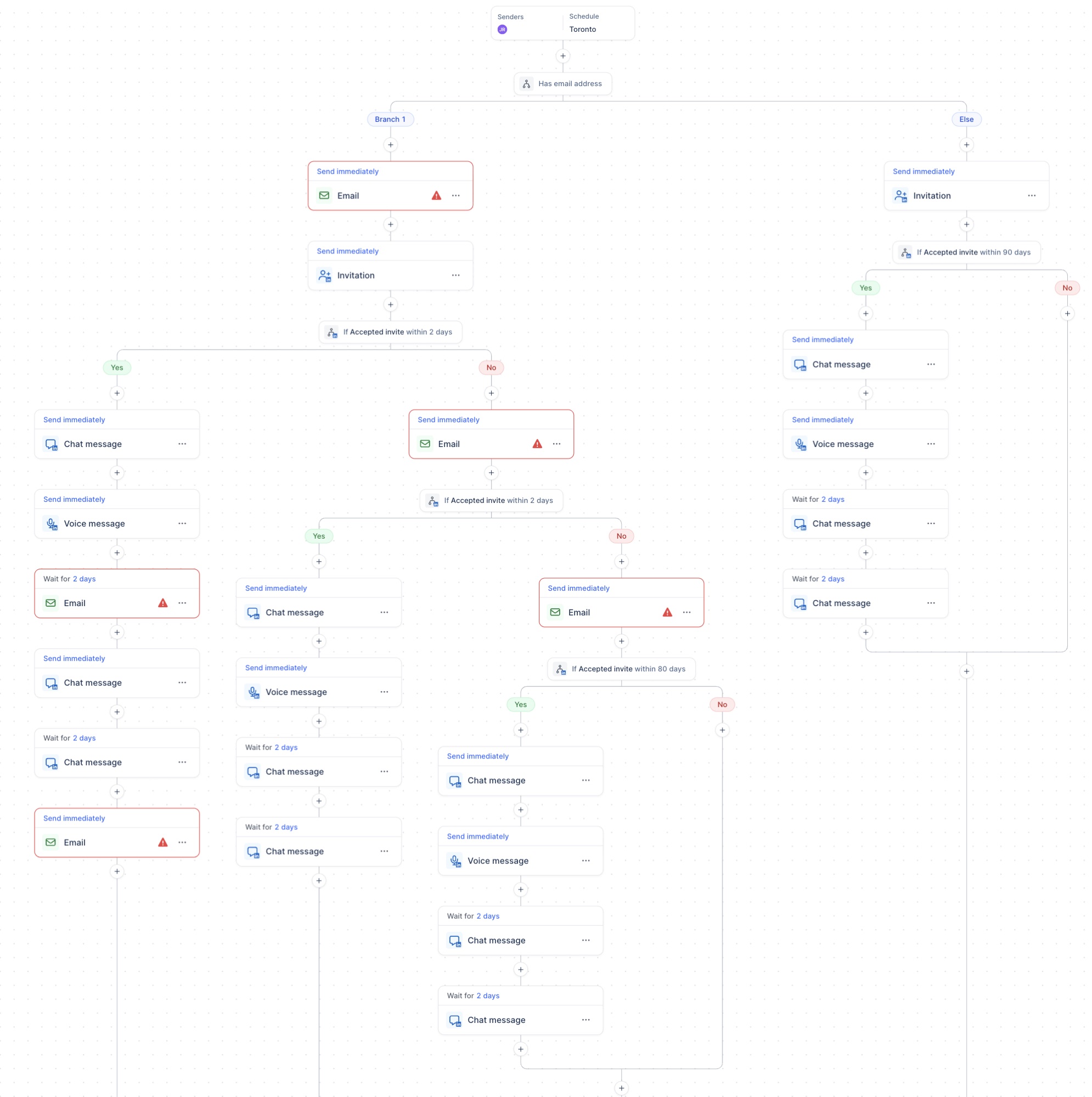
Sequence
has_verified_email?
├─ yes → email → LinkedIn invite
│ ├─ accepted ≤2d → chat → voice note
│ │ → email + chat, 2d apart
│ └─ no accept → 2nd email
│ → LinkedIn path (≤80d)
└─ no → LinkedIn only (≤90d)
└─ accepted → chat → voice note
→ 2 follow-ups
Insight
The LinkedIn voice note moved replies more than any other step. The first chat promises it, and the follow-up asks whether they listened.
Result
Two clients closed within about a month.
Read the sequence copy
Email 1Step 1
Hey {{firstName}}, congrats on the new role at {{companyName}}. Solid move. They're lucky to have you.
You've probably got a million things flying at you already. So I'll keep this tight:
We're a recruiting team that's helped hundreds of SaaS companies hire elite sales people.
Within the first few quarters, having access to market intel, salary data and who your competitors are hiring is key. I've got some ideas on how we could support. Is it cool if I share a quick video?
James
LinkedIn chat 1After invite accepted
Hey {{firstName}}, congrats on the new role at {{companyName}}!
I know it's busy in a new position, so I'll shoot over a quick voice note when I get a minute.
Let me know your thoughts.
LinkedIn chat 2After the voice note
Hey {{firstName}}, did you get a chance to listen?
Breakup emailFinal step
Hey {{firstName}}, feels like my timing's off. I'll hit pause here, no stress.
If you ever need market intel or comp data for sales hiring, I'm one message away.
Good luck ramping up.
James